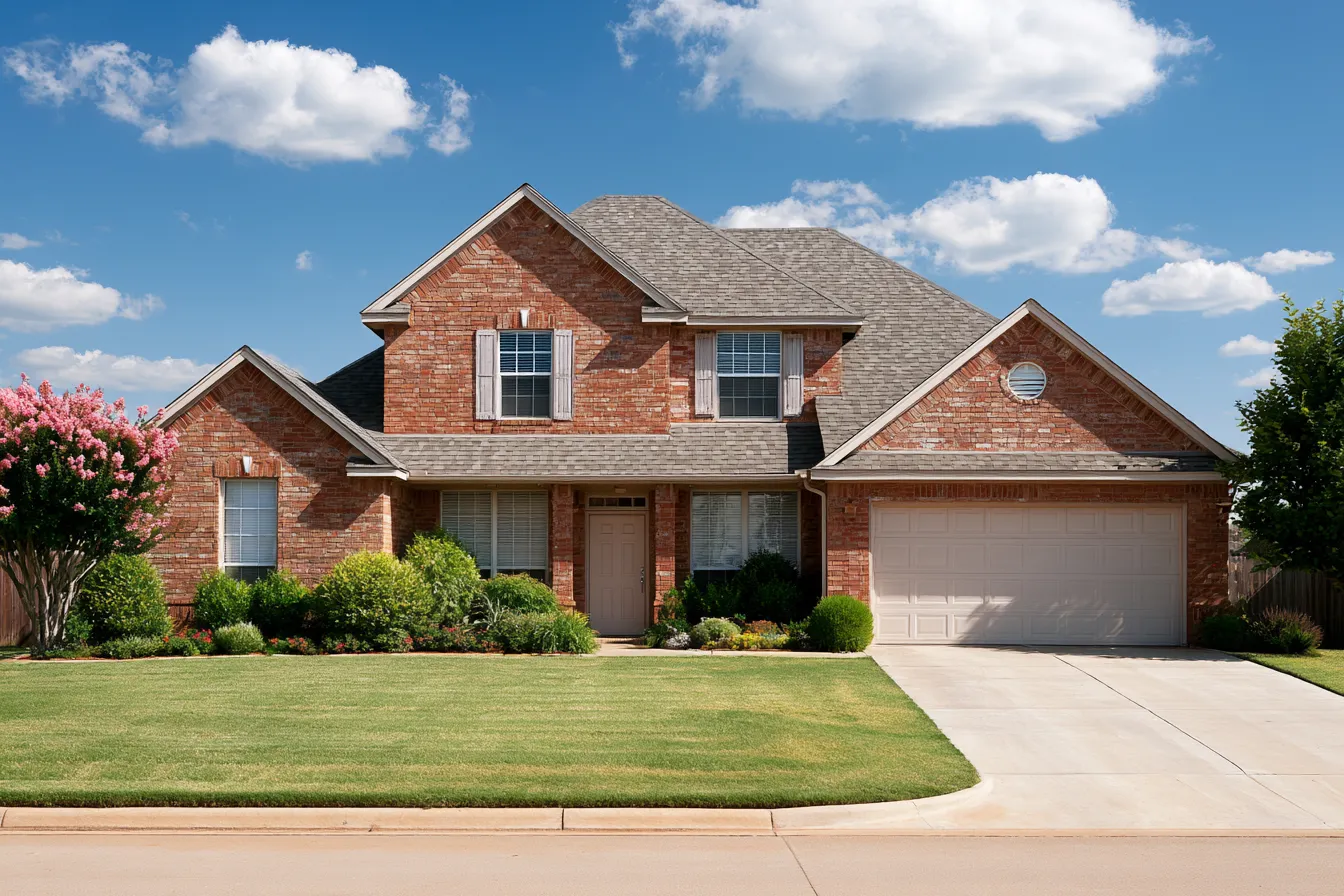
Roofing in Old Town Midlothian, TX
Roofing in Old Town Midlothian starts under the shingles, where the layers and the boards on an 1890s house are the part nobody can judge from the yard. The deck gets read first.
The Old Town Midlothian roof picture
This is where Midlothian began. The Santa Fe depot went up in 1883, the town incorporated in 1888, and by 1892 about 25 businesses stood along these streets. What is left is a walkable core of late-1800s and early-1900s buildings on older, deeper lots with mature trees over most of them, now part way through the Downtown Master Plan and its Founders Row restoration work.
On a house that old the shingle is the easy part. The wood underneath has carried every roof since, and a full inspection goes over it sheet by sheet before anybody puts a number on a repair or a replacement.
The rest of the city is far newer than this. The typical Midlothian house dates to 2004, and Old Town is a full century ahead of that figure, which is why very little of a standard roofing spec fits here without adjustment.
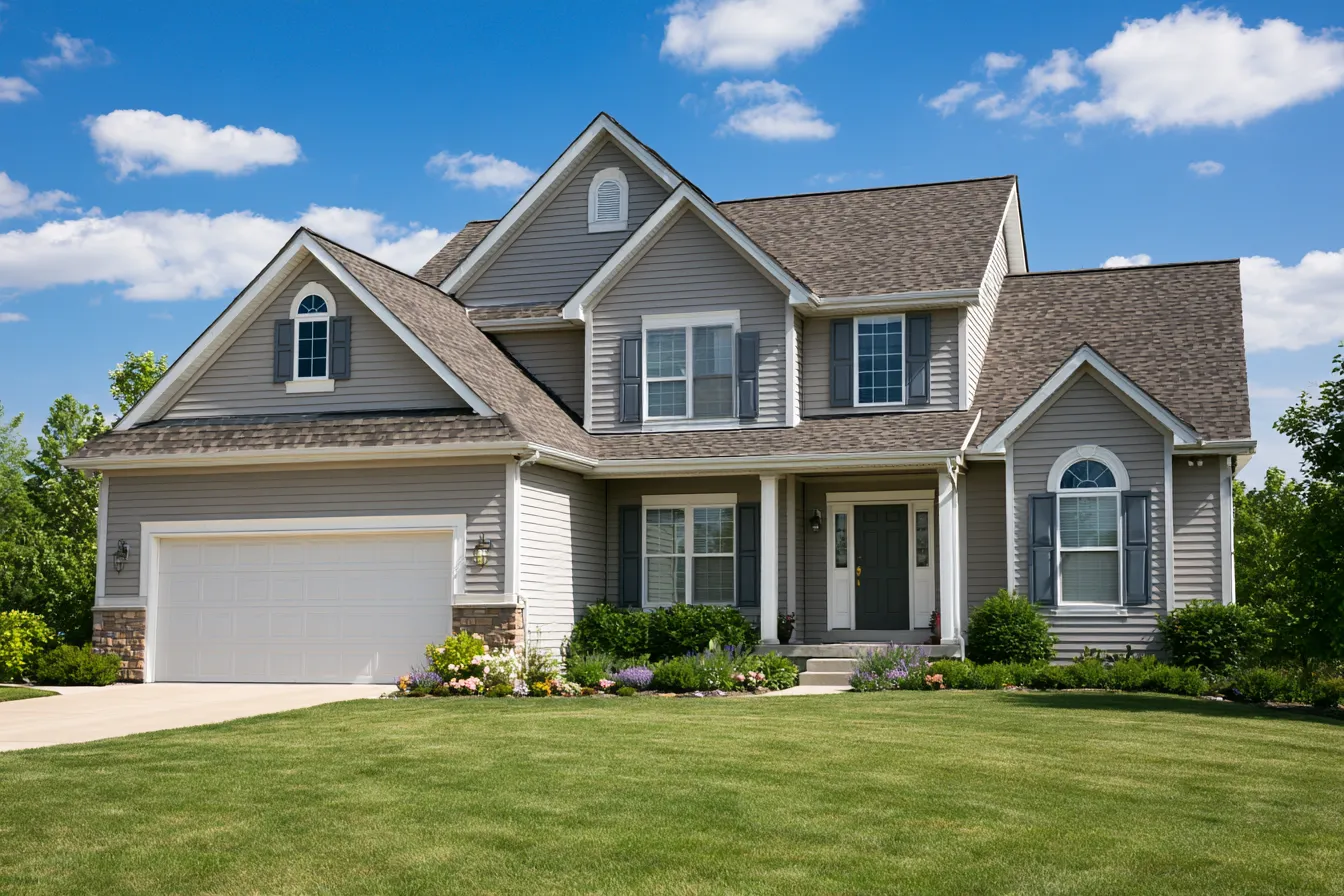 Old Town Midlothian
What is under an Old Town roof
Modern roofing specs were written for plywood sheathing and factory-made metal edge. An 1890s house has neither, so much of the standard approach has to be adapted first.
- 01Boards, not sheets
- Houses of this era were sheathed in planks with gaps between them. Shingles are rated for a solid deck, so a replacement here often starts with new sheathing over the old boards.
- 02Nobody knows the layer count
- Your house may be carrying one roof or three, and every layer changes the tear-off labor. A fair estimate allows for the higher number and comes down from there.
- 03Drip edge may not exist
- Metal edge at the eave and rake became standard long after these houses went up. Without it, water wicks behind the gutter and eats the fascia.
- 04Chimneys get cut into
- Original brick is common and the mortar soft, so a flashing joint has to be cut in and repointed. Anything smeared over the brick is a two-year fix.
- 05A storefront is another animal
- Most historic-core buildings are low-slope, a membrane assembly priced its own way. If you own one, that is a commercial roofing conversation.
If something up there has already started, say where. Whether the trouble sits at a chimney, a valley or an eave changes what gets looked at first.
Finding your way around Old Town
Old Town is laid out the way railroad towns were: numbered streets one way, lettered avenues the other, the old Gulf, Colorado and Santa Fe line through the middle, and US 287 along the edge. Almost every house sits inside that grid, on a lot platted before anybody was planning for a car.
That layout is why the roofs here age differently to the rest of the city. Deep old lots carry real tree cover, unusual in this part of Ellis County, so shade means slower granule loss, more debris in the valleys, and damp that lingers after rain.
The farmers market fills the middle of it June through October, the one thing that puts these streets on a schedule.
- The grid Numbered streets one way, lettered avenues the other
- The rail line The old Gulf, Colorado and Santa Fe cut, in since 1883
- Heritage Park 234 N. 8th Street, with the 1848 Larkin Newton log cabin
- Back Alley Plaza 152 Plaza Drive, an acre in the middle of downtown
- Campuses J.R. Irvin and J.A. Vitovsky Elementary, Midlothian High
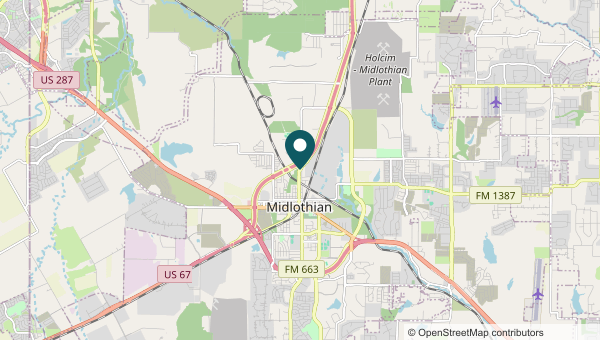
Ellis County hail lands on Old Town roofs that may already be carrying two or three layers, so the deck comes first.
What older Old Town roofs tend to need
Everything below follows from the age of the deck. On a house this old the work runs in a different order than it would five miles north of here.
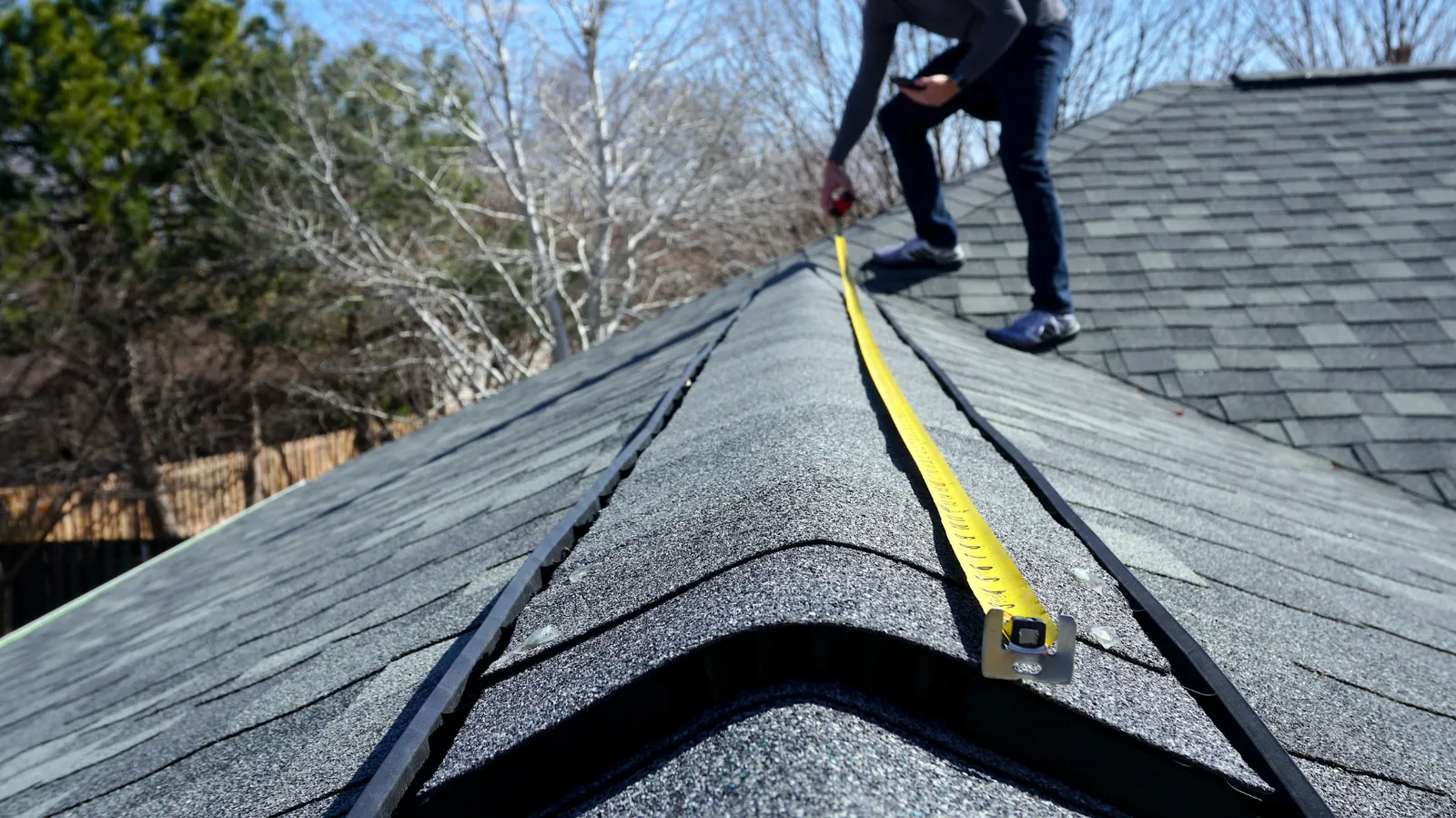
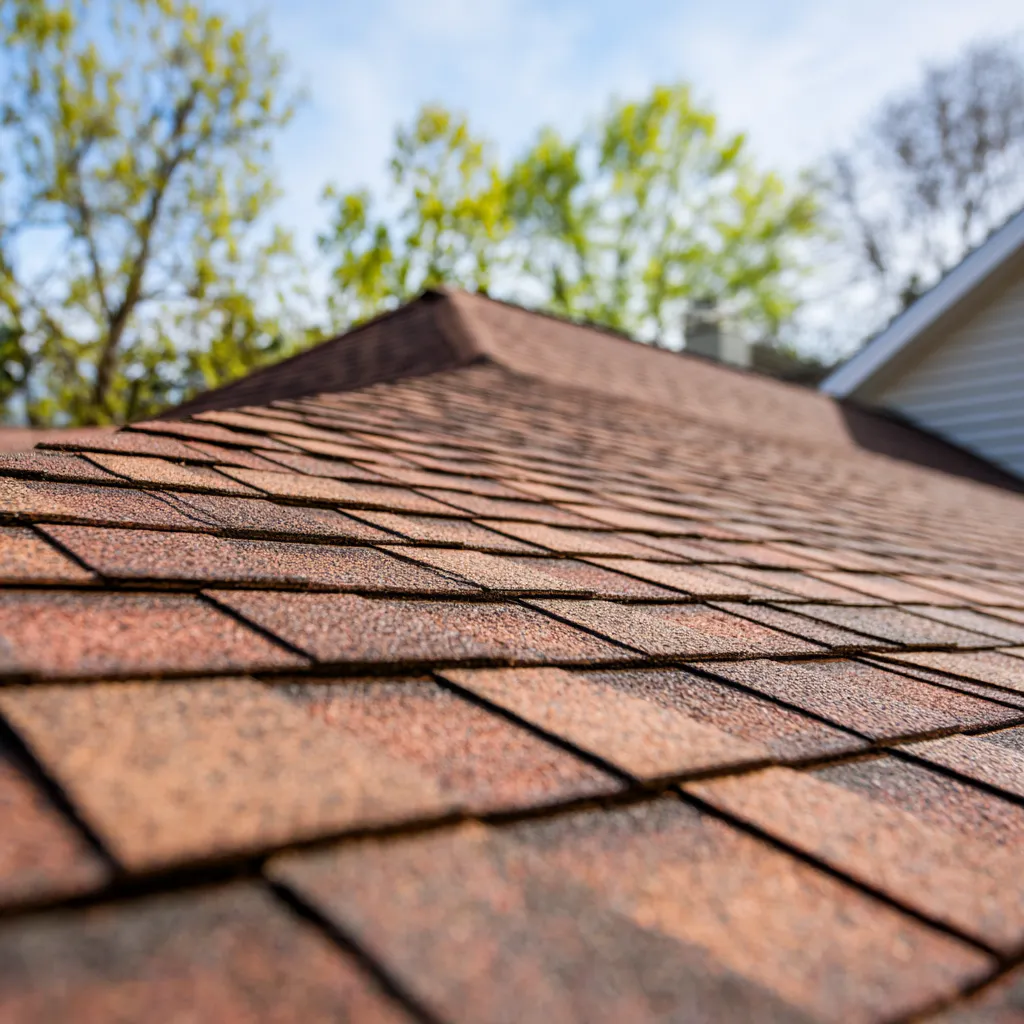
Roof Inspections
The deck gone over board by board before anyone talks about what goes on top of it.
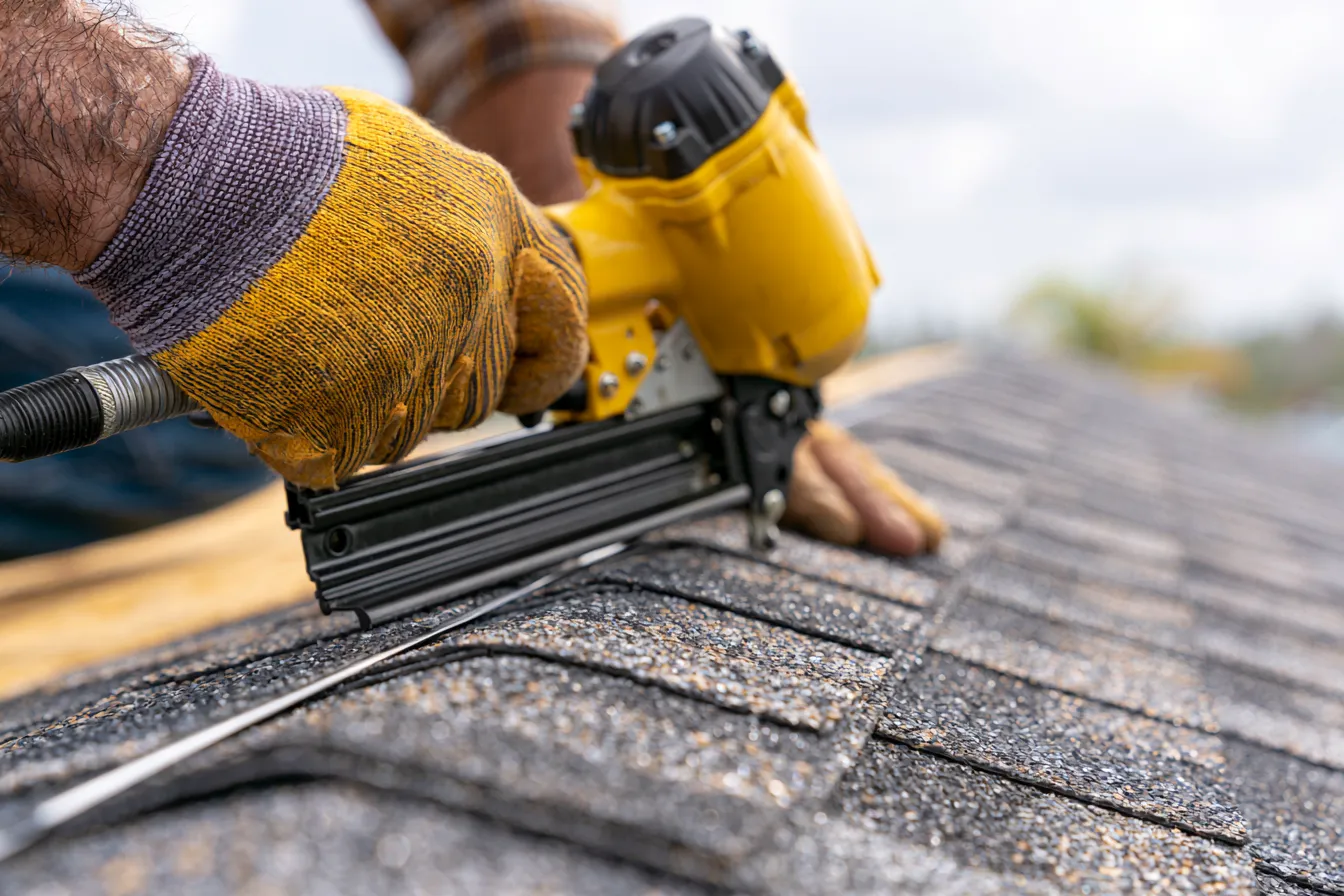
Roof Replacement
Layers off, soft boards out, and modern edge and underlayment put where none existed.
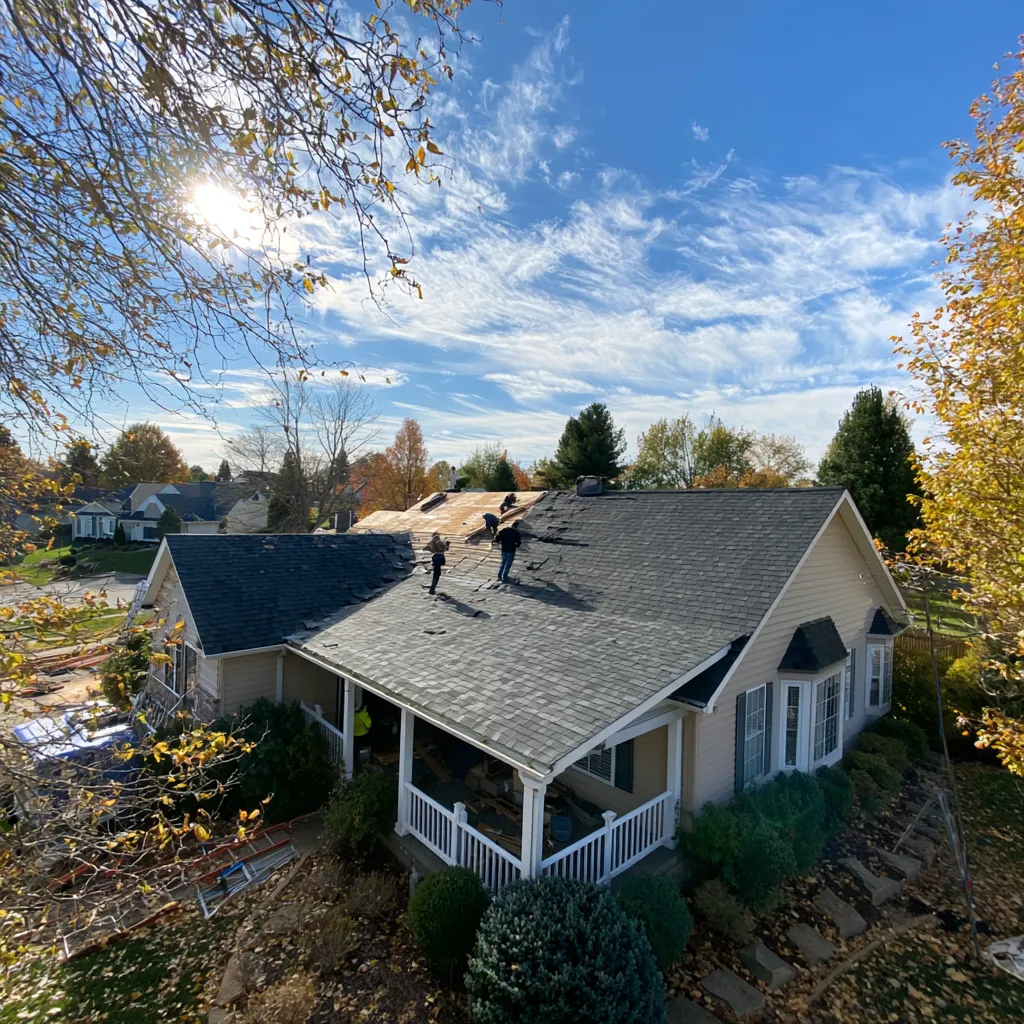
Chimney Flashing
Original brick means a joint cut into the mortar and repointed.
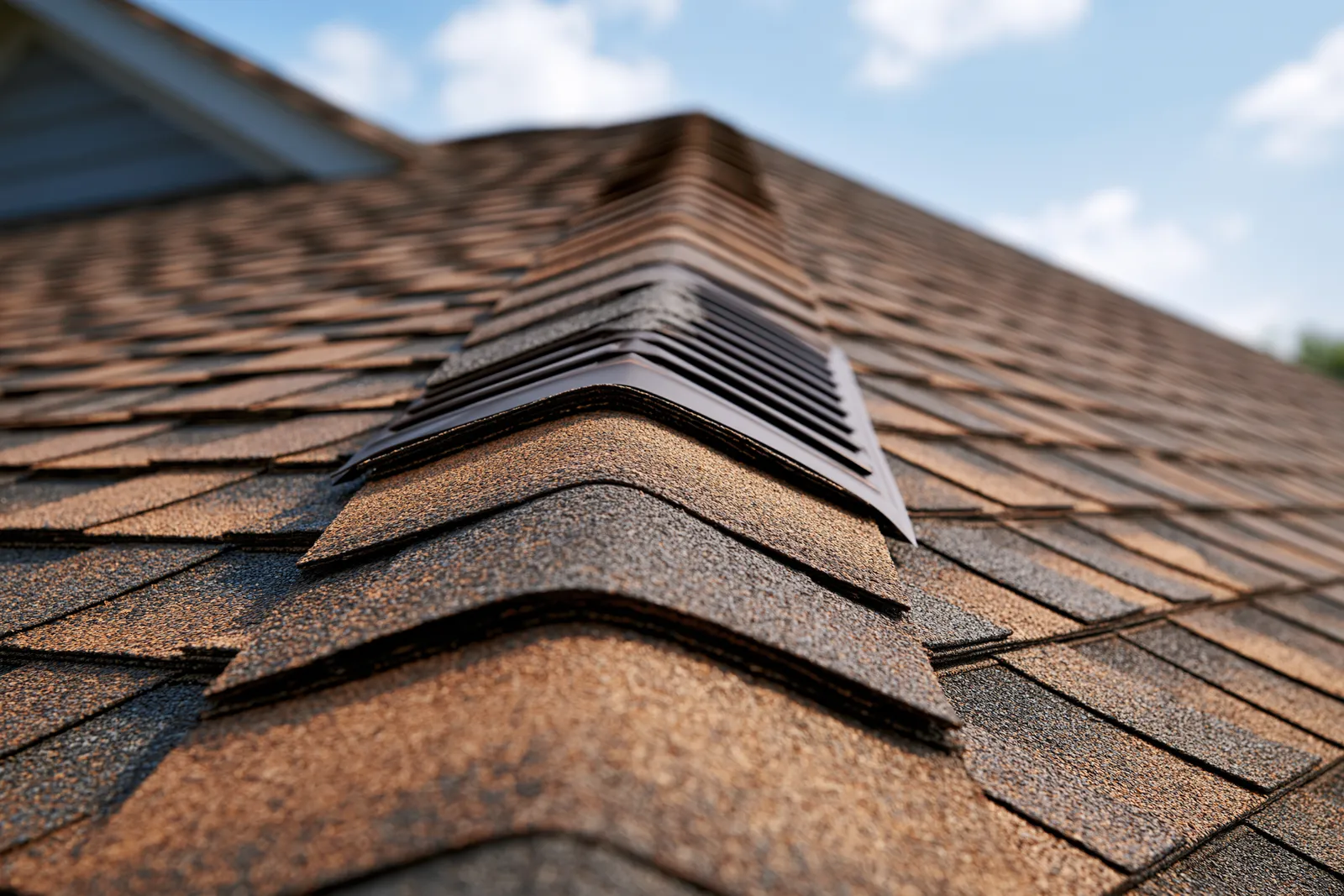
Roof Repair
A sound old deck under failing shingles is a repair, and it gets treated as one.
Soffit & Fascia
Wood that has taken rain off a missing drip edge for decades, cut back to solid.
Gutters
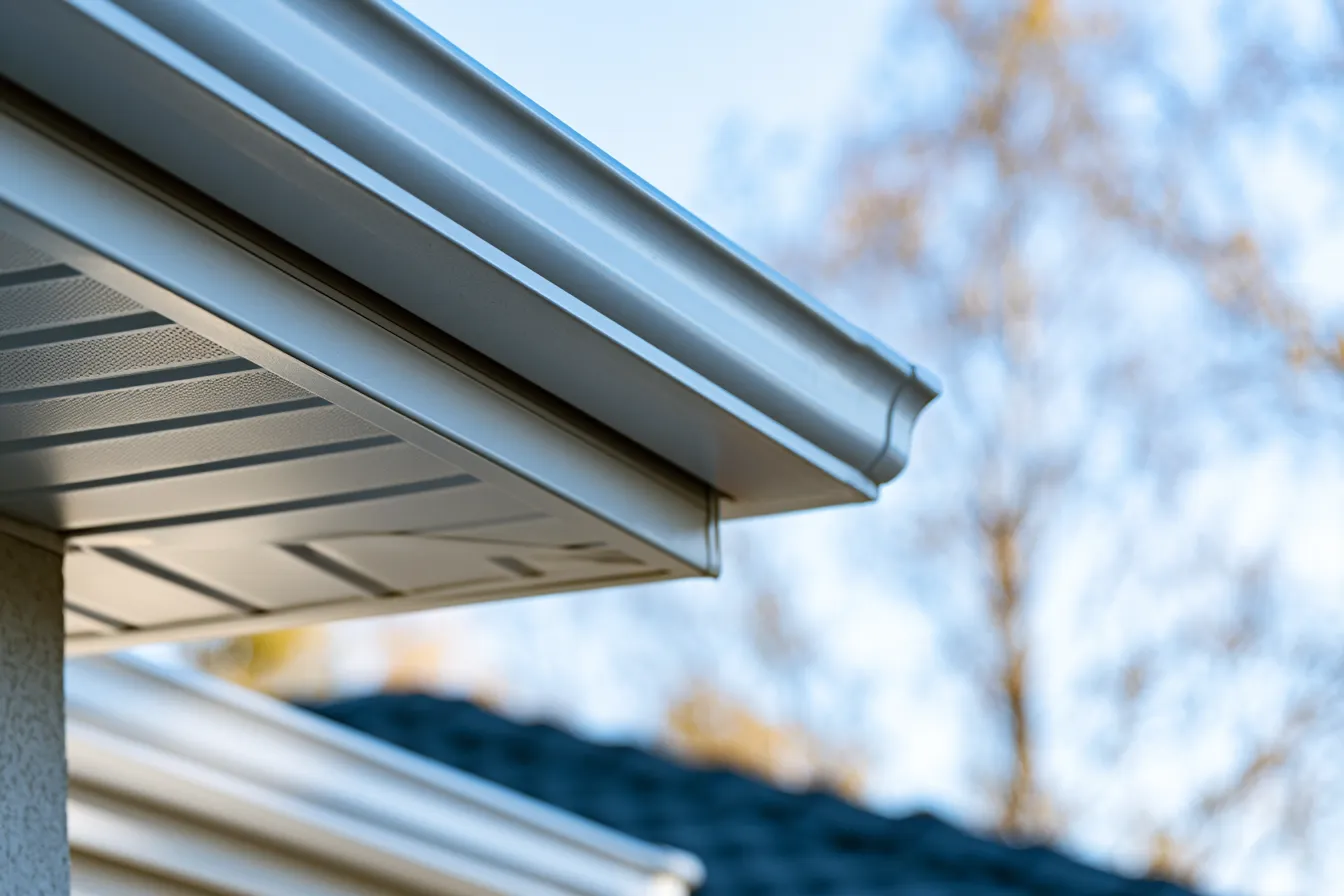
Sized for what comes off mature trees, and hung on fascia that is actually solid.
Old Town Midlothian roofing questions
The oldest decks in the city sit under these blocks. Here is what owners of those houses ask first.
Q1How old are the roofs in Old Town Midlothian?
Q2Does an older Old Town house need extra work when the roof comes off?
Q3Is a downtown storefront roof the same as a house roof?
Q4Does the Founders Row restoration project include roofing?
Q5Do the mature trees around here cause roof problems?
Older rooflines earn a slower look
Say where the trouble is when you get in touch, and the roofer looks at the deck as well as the covering before writing anything down.