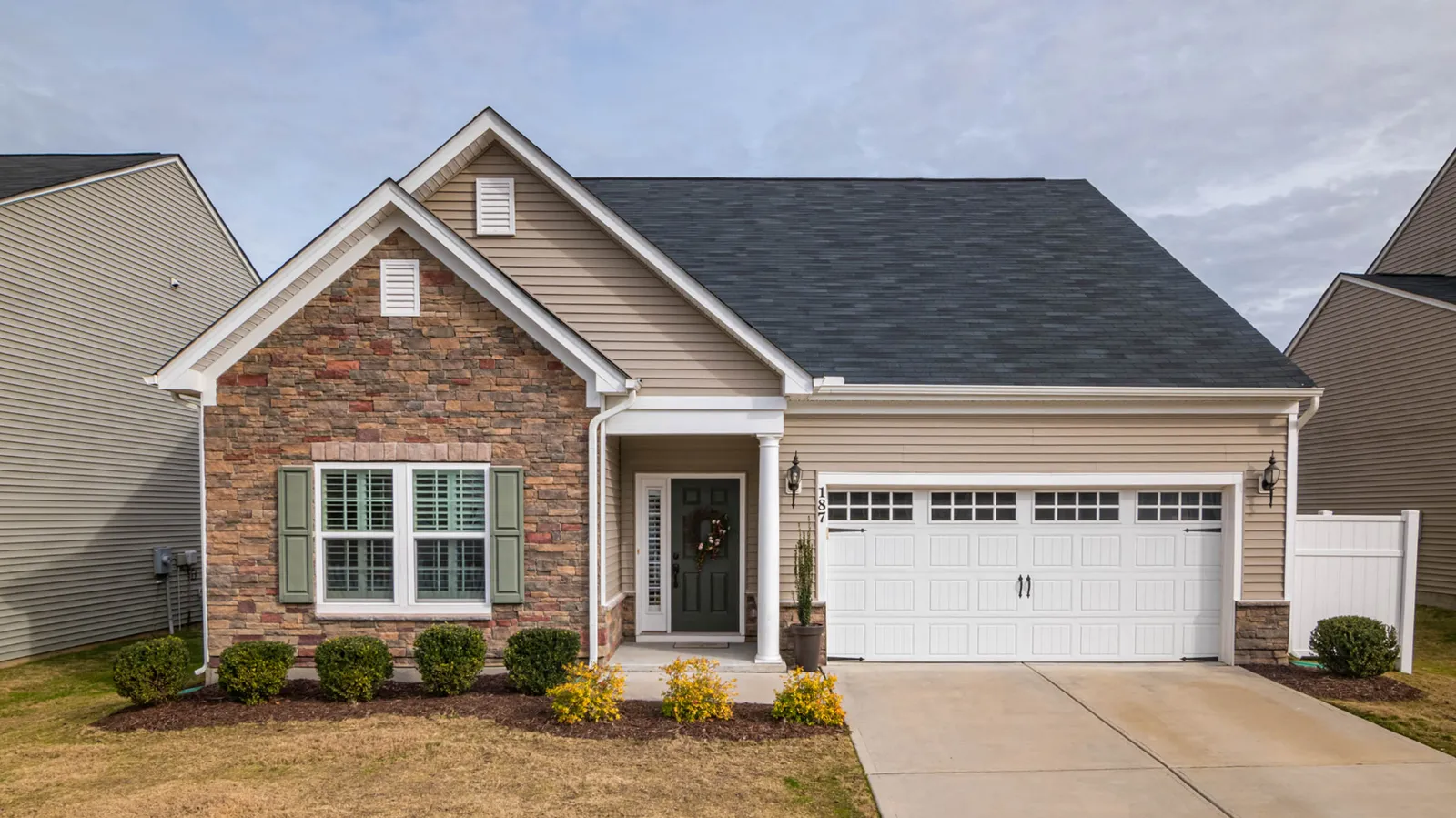
Soffit & Fascia Repair in Midlothian, TX
Soffit and fascia repair in Midlothian starts at the eave itself: our roofers go up to press the board, find where the sound wood starts again, and price the work from that.
Why peeling paint at a Midlothian roofline is a water story.
Almost nobody plans this work. It announces itself: a strip of paint curling under the roof edge, a stripe running down the siding below the gutter line, a bird slipping into a gap that was solid last spring.
Those three look like three different problems and they are one. Wood along a roof edge only behaves that way after it has been holding water, and paint is simply the first layer to admit it. Left alone, the wet travels along the run, and any hole it opens is a way into the attic for weather and for whatever else is looking for shelter.
What soffit and fascia work in Midlothian covers.
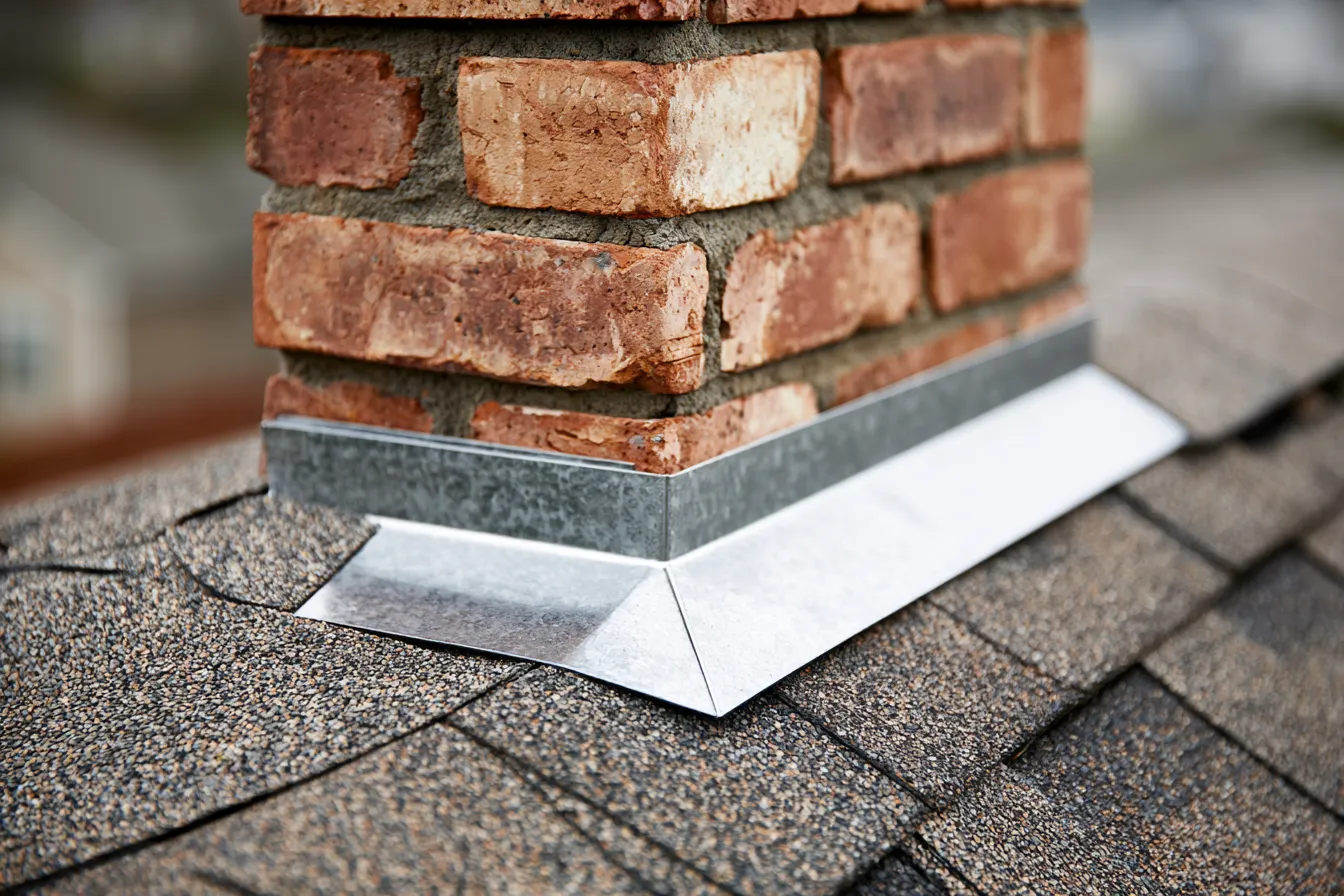
The fascia is the run your drip edge and gutter hangers fasten to, and the soffit is the panel underneath it that every bit of the attic's intake air comes through. Water takes both out at once, so a job here covers as much of that pair as the eave turns out to need.
- 01A screwdriver in the board
- Soft wood hides under fresh paint until something presses on it. A screwdriver goes into rotted board with almost no pressure, which is how the bad footage gets measured.
- 02Rotten fascia cut and spliced
- Cut back to sound wood at both ends, then new board let in. The cuts land over a rafter tail so the splice has something solid to fasten to.
- 03Soffit panels closed back up
- Including whatever gap has been letting wind, rain and wildlife through. A soffit gap is an open door into the attic, and it gets found again if it is closed without being sealed.
- 04Attic intake vents reopened
- Cleared or cut in again, because the attic breathes through here. An eave rebuilt without reopening the vents leaves the attic worse off than it was before the work started.
- 05Drip edge and gutters reset
- The metal that keeps water off the board, refitted before gutters go back. Drip edge is either what stopped the last board rotting, or what was missing when it did.
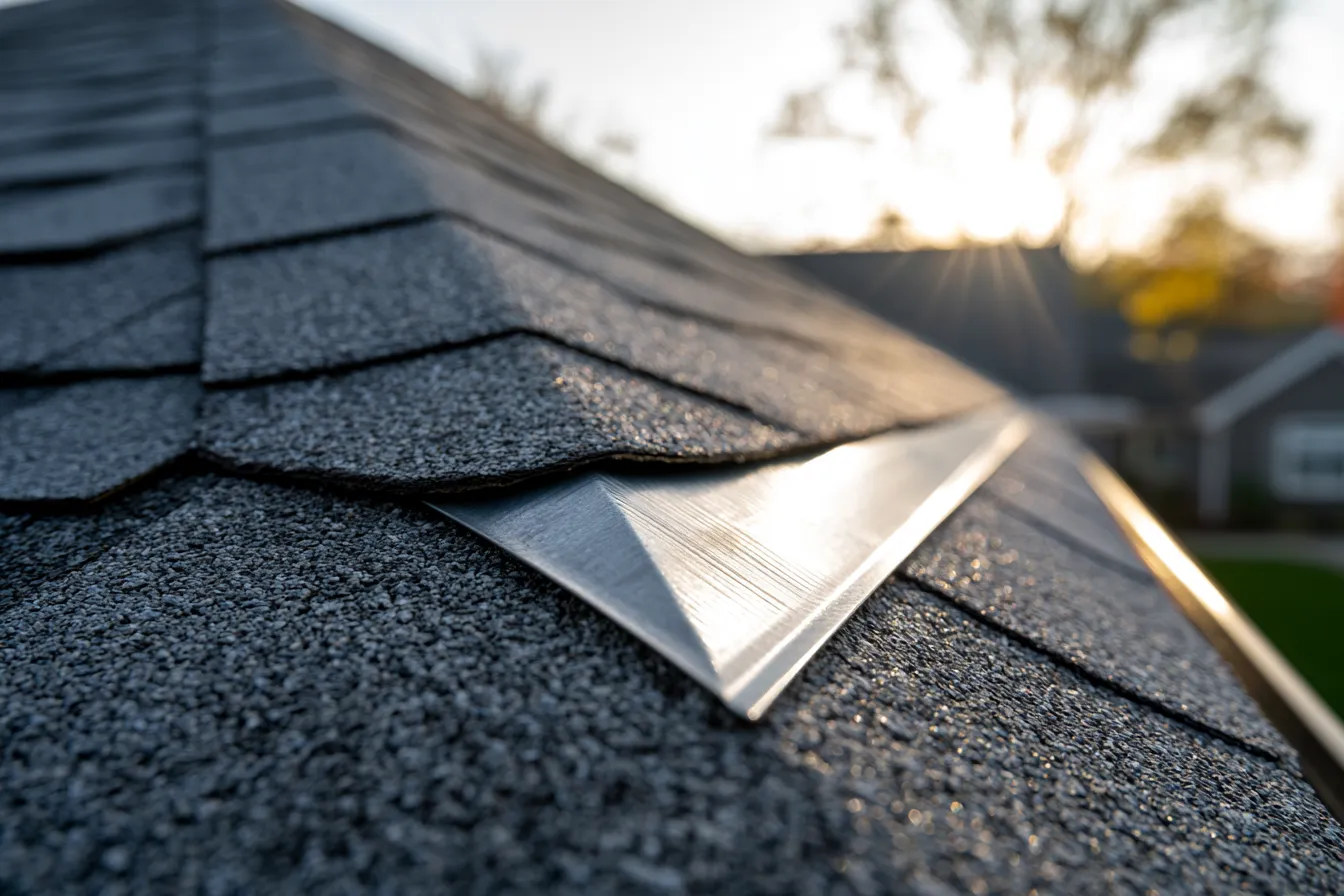
A new board lasts exactly as long as the reason the old one failed stays gone. When the water is arriving off the slope rather than over the edge of the gutter, a roof repair is the part that has to happen first.
How the roofer opens a Midlothian eave and rebuilds it.
The order matters here. Nothing gets cut until the water has been traced, because that is what decides the size of the job.
Trace the water
Overflowing gutters, a drip edge that quit, and a leak higher up the slope all finish their journey at the same board. Rebuild without answering which one it was and you are standing here again in a season or two.
Cut back to solid
The soft section comes out until the saw is into wood that is still sound at both ends. An open eave also puts the rafter ends in plain view, so anything wrong behind the fascia gets found now, while the eave is open.
Close it and vent it
New board, new panel, the drip edge set back where it belongs, and the intake openings clear before the gutters are rehung. The eave should look like nothing happened and breathe better than it did.
Signs a Midlothian eave has gone soft.
You do not need a ladder for any of these. Every one of them reads from the ground on a slow walk around the house.
- Paint lifting along the fascia: long blisters or curled strips in the same stretch of board, often near a gutter joint. Paint fails from behind when the wood is holding water, which is why it lifts in a run rather than in spots.
- Dark streaks under the gutter line: vertical staining on the board or the siding directly below where the trough runs. That marks a joint or a hanger that has been letting water down the face of the board.
- A gutter run dipping mid span: the line sags between hangers instead of holding a straight fall to the downspout. The sag means the fasteners have lost their grip, and the board behind them is usually why.
- A soffit panel stained or sagging: the underside of the eave discolored, bowed, or hanging loose along one edge. Water reaching the soffit has already passed the fascia, so the damage is rarely limited to the panel.
- Birds or wasps under the eave: steady traffic in and out of one spot means there is an opening at that spot. Nesting material packed into the eave also blocks the intake vents behind it.
- Soffit seams opened after a storm: aluminum panels dented or pulled apart at the joint, usually on the windward side. Once a seam is open the wind gets behind the panel and works the rest of the run loose.
What none of this tells you is length. A bad stretch can stop at one rafter bay or run the width of the house, and the eave has to come open before anybody knows which. That is what a roof inspection is for, and a call is all it takes to get somebody on a ladder.
What the eaves look like on houses around here.
Eaves age on a schedule, and much of this city is on the same one. The typical Midlothian house dates to 2004, putting a whole generation of painted board at the age where caulk and paint stop holding while the wood behind them is still worth saving.
- 01Eaves built around 2004
- Half the houses here are newer than that. On the 2004 vintage the paint and the caulk are finished, but most of the board underneath is not.
- 02One decade, a third of town
- About a third of Midlothian went up in the 2000s, so streets tend to reach this point together.
- 03The 1880s streets in town
- The city's original townsite blocks are older by a century, with eaves of solid dimensional lumber. That gives real depth to cut back into instead of a thin wrapped panel.
- 04Hail and 85 mph gusts
- Seventeen hail days and an 85 mph gust sit on the county's last four years. Both dent aluminum soffit panels and spring the seams that water then follows.
Age narrows it, nothing more. An eave under a deep overhang with a working gutter can outlast one on a newer house that has been spilling over the edge for two summers. There is no square-foot figure on this page, because the length of the bad run is not known until the board comes off. Roof pricing itself lives on the roofing cost page.
Soffit and fascia questions.
Peeling paint at a roof edge is the part of a house nobody budgets for. Here is what comes up once it starts.
Q1Can I just repaint the fascia?
Q2Do I have to replace the whole run?
Q3Is this a gutter job or a roof job?
Q4There is something living in my soffit. Is that roofing work?
Q5Will fixing the soffit help the attic?
Q6What is the quickest way to get someone out to look at it?
Open one eave and see what the paint meant
Photograph the eave from the ground and send it over. A roofer gets on a ladder, finds where the sound wood starts again, and you have the scope and the number in hand before anything is pulled off the house.